<span style="font-size: large;">Se <a href="http://www.aftonbladet.se/senastenytt/ttnyheter/utrikes/article25593299.ab" target="_blank">länk</a> där EU alltid hållit helt tyst om Turkiets <a href="http://hanavihehadash.blogspot.se/2017/04/erdogan-och-folkmord.html" target="_blank">folkmord av kurderna</a> en massaker av samma storlek som Saddams f</span><span style="font-size: large;">olkmord av Kurderna.</span>
<span style="font-size: large;">
</span> <span style="background-color: white; font-family: "chewy"; font-size: 22px;">Liksom det är en tradition i Väst att hålla turkarna oansvariga för massmorden av de </span><a href="http://www.history.com/topics/armenian-genocide" style="font-family: Chewy; font-size: x-large;" target="_blank">kristna armenierna</a><span style="font-family: "chewy"; font-size: large;">. Turkiet har en lång historia av folkmord man inte vill höra om sin bundsförvant, så både politiker och medier <a href="https://en.wikipedia.org/wiki/List_of_massacres_in_Turkey" target="_blank">försöker hålla det hemligt</a>.</span>
<span style="font-family: "chewy"; font-size: large;">
</span> <span style="font-family: "chewy"; font-size: large;">Vidare på </span>
<span style="font-family: "chewy"; font-size: large;"><a href="https://israelisverige.blogspot.se/2017/04/erdogan-och-folkmord.html">https://israelisverige.blogspot.se/2017/04/erdogan-och-folkmord.html</a></span>
TT skulle inte få för sej att påminna Erdogan om Turkiets alla folkmord. Han skriker som den diktator han är och vill bevara men EU tar ändå "hänsyn" till hans känslighet när han ställs inför fakta. EU VILL inte lösa problemet effektivt, till Europeernas fördel. Inte ett dugg konstigt att partier som SD, Wilders, le Pen klättrar kontinuerligt och England bryter sig ut med individer i Bryssel med enorma löner.
Turkey, a key member of NATO, has so far chosen to sit out the war against ISIS. Instead, it is at war with Kurdish militias in Syria, the only ground forces so far that have managed to take on ISIS and win.
Turkey fears and loathes Kurdish independence anywhere in the world more than it fears and loathes anything else. Kurdish independence in Syria, from Ankara’s point of view, could at a minimum escalate a three-decades-long conflict and at worst threaten Turkey’s territorial integrity.
Den andra väsentligheten EU vägrar nämna mot Erdogan av finkänslighet. Tänk om EU tagit lika mycket hänsyn till sin egen lokalbefolkning.
EU utnyttjar Turkiet till vad de är för blöta själva - STOPPA folkandringen hit, Israel lyckades och har visat hur man gör - Östeuropa har köpt teknik och metodik från Israel.
Det är säreget att TT uppför sig exakt som vad Trump anklagar de flesta media för: lögner, halvsanningar, avsaknad av väsentliga punkter för förståelse av sammanhanget. TT:s antisemitiska lögner när det har gällt Israel har jag ofta detaljerat, sök efter TT i bloggen. När det gäller Turkiet har jag skrivit att Turkiets folkmord av kurderna är i samma skala som Saddams, och han blev anklagad för folkmord. Inget i TT, att anklaga Erdogan för vad han gör får inte nämnas, som Trump framhåller. De vägrar också att tala om anledningen: att kurderna växer mycket snabbare än Turkarna och kommer om några decennier att vara flera. Några tidigare artiklar jag har skrivit i ämnet är länk, länk, länk, där länkarna i dessa innehålller de väsentliga detaljerna som är lätta att hitta men oväsentliga för TT. På http://www.jinsa.org/fellowship-program/david-p-goldman/demographic-sources-turkeys-foreign-policy-crisis
kan du läsa:
Fertility levels of Turks and Kurds are significantly different. At current fertility rates, Turkish-speaking women will give birth to an average of 1.88 children during their reproductive years. The corresponding figure is 4.07 children for Kurdish women. Kurdish women will have almost 2 children more than Turkish women...Results show that despite intensive internal migration movements in the last 50 years, strong demographic differentials exist between Turkish and Kurdish-speaking populations, and that the convergence of the two groups does not appear to be a process under way. Turks and Kurds do indeed appear to be actors of different demographic regimes, at different stages of demographic and health transition processes. [i]
The Kurdish minority comprises more than a fifth of Turkey, and its fertility rate is double or triple that of Turkish-speakers. Ethnic Turkish Sunnis - the population segment to which the ruling Justice and Development Party (AKP) appeals - barely make up a majority of the Turkish population, and the demographic trend will make them a minority in 20 years or less. Syria's two million Kurds have become an independent factor as a result of their country's civil war, with their own municipal administrations and militias. They view Arab jihadists who dominate the rebel forces with justifiable fear and distrust. Again, Erdogan's backing of the Sunni rebels upsets Turkey's Kurds.
TT skriver inte ett skvatt - okunnighet eller avsiktligt undanhållande av sanningen från svenskar som tror på dom och att de följer Pressens Etiska Regler ? Trump har allt mer rätt, och vi har klara tecken på samma förhållande i Sverige.
Turkiets århundrade år gamla tradition av folkmord av icke-turkar -nämns det faktum fräser Erdogan som en våt fyrverkeripjäs och skrämmer de flesta från att se vad som händer. Antalet mördade kurder i Turkiet är svårt att säga eftersom det är Erdogans påhitt som ekas, som länk
Kurder får sällan leva i fred, minns alla slaktade och förgiftade av Saddam. Han anklagades för folkmord länk, för ungefär lika många som Erdogan har mördat kurder.
Vilket inte stoppar EU från att förhandla med karln.
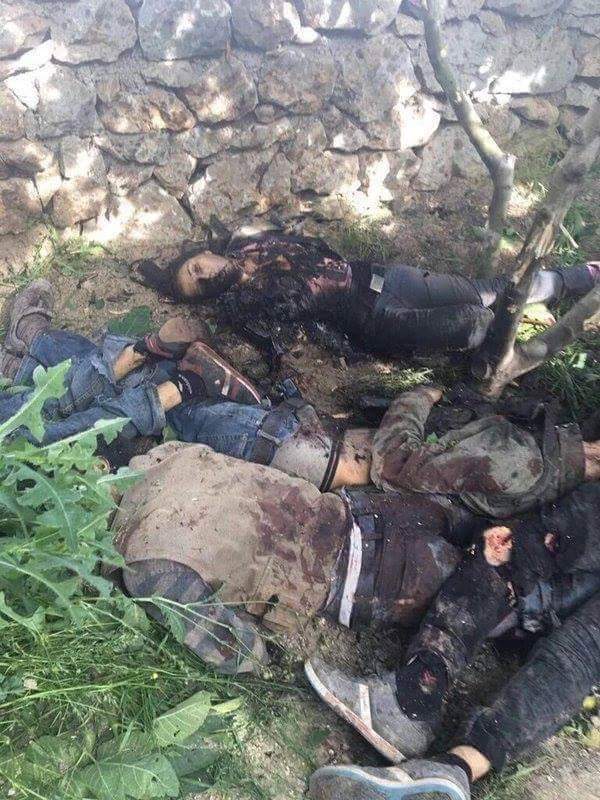
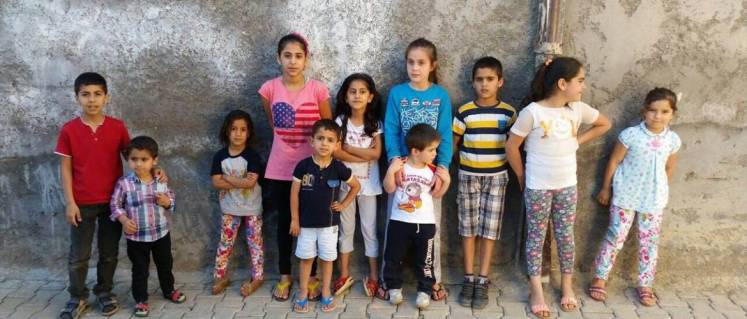
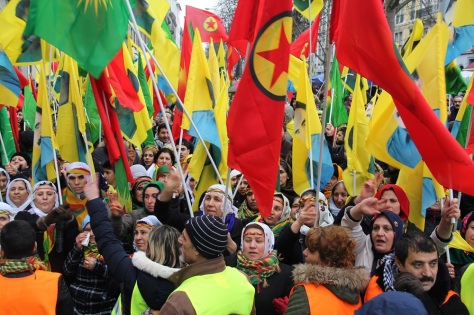
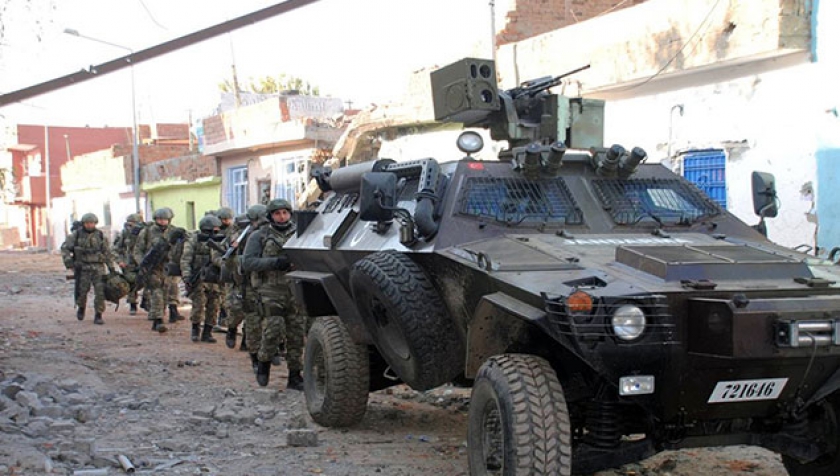
All they asked for was autonomous local government, feminism and real democracy. Nusaybin is one of many Kurdish towns being wiped out by the dictator Erdogan, the darling of Europe.
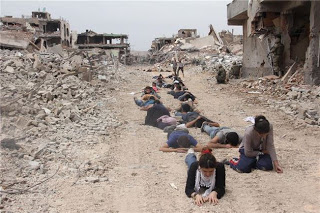
The picture that heads this article explains everything. Nusaybin no longer exists. Among its ruins today the few dozen people who resisted for 74 days, the brutal attack by the Turkish army have given up.#Şirnex#Nisebin report from kurdiscat.with thanks
On President Erdogan’ orders: while he blackmails billions from the EU, at home he boasts of genociding Kurdish people who are ‘all PKK terrorists’.
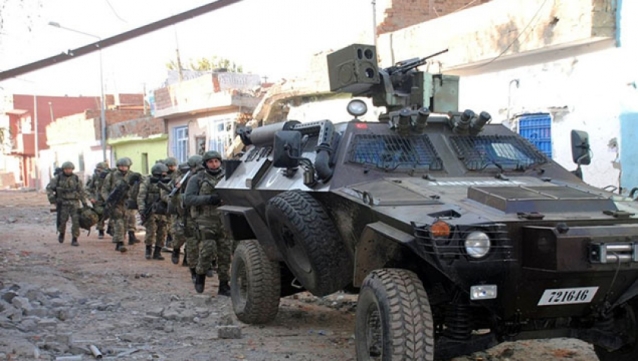
Inhuman, disproportionate, including assault planes (yes Turkey has bombed its civilian population in the XXI century), tanks and heavy artillery against just a few hundred civilians armed with rifles.
In Nusaybin there is only silence. The same silence of the entire international community.
Allegedly humanitarian NGOs, the European ‘left’ which cries out for other conflicts like rightwing demands in Venezuela, the United States condemning other regimes like Syria and silent with Turkish atrocities.
Nobody has gone to Nusaybin. A global, disgusting silence that has turned a blind eye to the Warsaw Ghetto 2016. It is not known even the number of dead, and not counted. At least one thousand.
Young ‘PKK terrorists’ in Nusaybin before it was destroyed
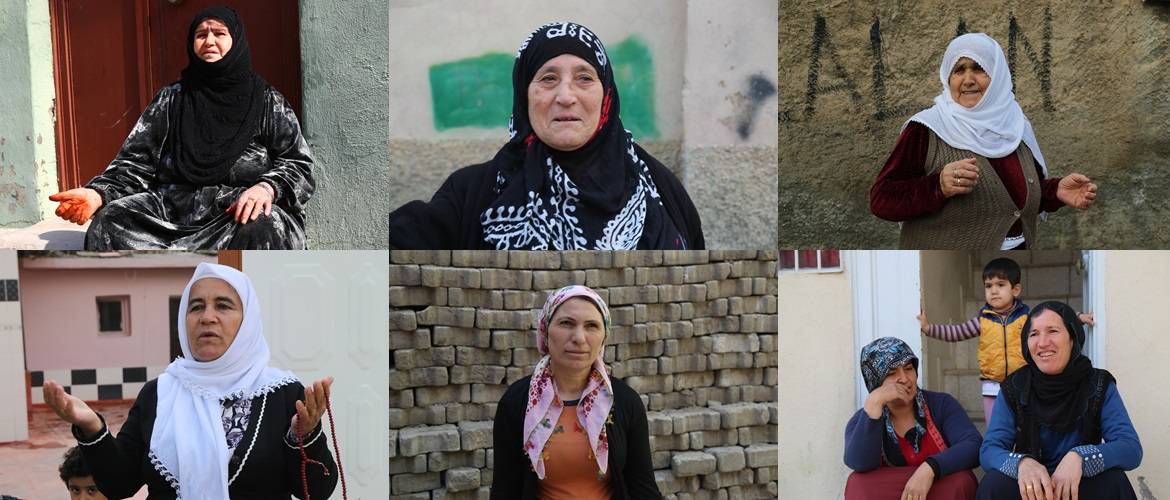
Nisêbîn his name in Kurdish, he had 80,000 inhabitants before the Turkish AKP government decided to delete the map. Today they are no longer. They are refugees in their own country. But refugees who can not reach Europe.
They are refugees that do not exist for anyone. Those who can not pay to cross the Aegean Sea. They will not come to Greece or Europe.Invaders have left them without homes, literally. More than 8,000 buildings have been destroyed by the Turkish bullets and bombs. They have lost everything: their homes, their possessions, their memories, their streets. In Nisêbîn, there aren’t even dogs, they have been killed or have fled.
Nusaybin: Last volunteers surrender after 74 days
Deputy HDP (Peoples Democratic Party), Ali Atalan, who has just had his immunity removed, has estimated at about 900,000 € economic damage.(translator’s note: this figure must be wrong). To this must be added the 50,000 people who, not only have been able to go live in other parts.
Those who have lost everything. On the few remaining walls, soldiers, neo fascists who infest the Turkish army, have written: “Now you will see the power of the Turks”.
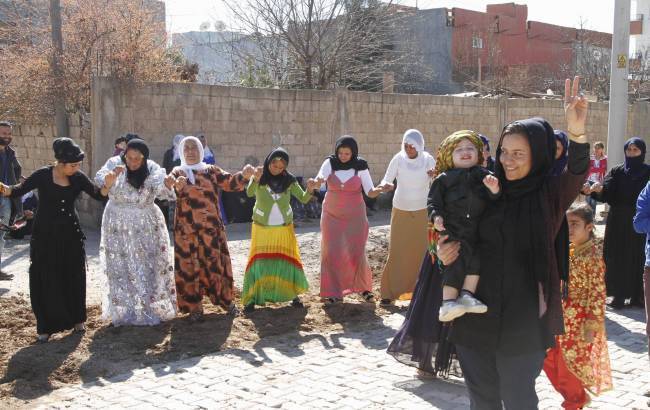
”PKK Terrorists” celebrating International Women Workers Day.. 8th March, before their city was wiped off the map
The army has committed this atrocity is our ally, the second army of NATO. And all this, verging on ignominy, with the approval of the European Union. Which has given this Turkish Islamist government € 6 billion to deal with the refugees that Europe rejects.
A government that has just spent € 500 million on a marble palace for president, the bloodthirsty murderer Recep Tayyip Erdogan. With our taxes, the EU is complicit in these heinous crimes. Sometimes those who say nothing are the most guilty. As Martin Luther King said: “This generation will be sorry not of their evil deeds of the wicked but for the silence of good people.”
And those good people are silent… with a deafening silence.
En annan genomtänkt artikel av Spengler. Han skriver långa artiklar utan något dökött, tar upp många relevanta faktorer de flesta glömmer eller inte känner till. Hans artiklar diskuteras på länk. Han har arbetat som ekonom på Wall Street, är ortodox jude och - läs. Jag har läst hans artiklar några år.
Jag får beklaga den dåliga formateringen av många artiklar - originalen tillämpar allt rörigare HTML som producerats av maskinöversättare. Det blir tyvärr ofta värre när man har försökt rensa eländet en halvtimme, så har du inget problem med det, är det alltid bättre att klicka på rubriken. Sen kan man till nöds använda Gooble translate på den artikeln och få vilket språk du kan bäst. Att jag har sett dåligt på 2 år gör det inte bättre.
En väsentlig punkt jag inte har sett i några svenska massmedia varför Erdogan ägnar sig åt traditionellt folkmord av kurderna är vad som står en bit ner och jag markerade med rött: om kanske 2 decennier finns det fler kurder i militär ålder än turkar i Turkiet. Som du har hört några gånger trycker Erdogan också på att kvinnorna ska vara hemma och göra barn, något som gör alla kvinnosakskvinnor vilda.
We do not know just who detonated the two bombs that killed 95 Kurdish and allied activists in Ankara Saturday, but the least likely conjecture is that President Erdogan’s government is guiltless in the matter. As Turkish member of parliament Lutfu Turkkan, tweeted after the bombing, the attack “was either a failure by the intelligence service, or it was done by the intelligence service.”
Betrayed by both the United States and Russia, and faced with the emergence of a Kurdish state on its borders and the rise of Kurdish parties in the parliamentary opposition, Erdogan is cornered. At risk in the short-term is the ability of his AKP party to govern after the upcoming November elections. At risk in the medium term is the cohesion of the Turkish state itself.
In public, Western leaders have hailed Turkey as “a great Islamic democracy,” as President Obama characterized it in a 2010 interview. That was the view of the George W. Bush adminstration before Obama, which invited Erdogan to the White House before his election as prime minister in November 2002. A minority of military and intelligence analysts, though, has warned that Turkey may not be viable within its present borders in the medium term. The trouble is that its Kurdish minority, now at 20% of the overall population, has twice as many children as ethnic Turks, so many that half of Turkey’s military-age population will speak Kurdish as a first language in fewer than twenty years.
An existential crisis for Turkey has been in the making for years, as I reported in my 2011 book,How Civilizations Die (and Why Islam is Dying, Too). During the past week, a perfect storm has overtaken Turkish policy, and threatens to provoke deep political instability. Turkey may become the region’s next failed state.
There has to be a fall guy in the Middle East’s film noire, and that unenviable role has fallen to Turkey. Prior to the bombings, the worst terrorist incident in modern Turkish history, Erdogan suffered public humiliation by Washington as well as Moscow. As Laura Rozen reported Oct. 9 inAl-Monitor, Washington announced a 180-degree turn in its Syrian intervention, abandoning the Sunni opposition in favor of Syrian Kurds.
The United States will supply arms, equipment and air support to Syrian Arab and Kurdish groups already fighting the so-called Islamic State (IS) on the ground in Syria, the White House and Pentagon announced Oct. 9.
The decision to refocus the beleaguered, $500 million Pentagon program from training and equipping a new force to fight IS in Syria to “equip and enable” rebel groups already fighting on the ground came after an interagency review of the train and equip program, US officials said.
“A key part of our strategy is to try to work with capable, indigenous forces on the ground … to provide them with equipment to make them more effective, in combination with our air strikes,” Undersecretary of Defense for Policy Christine Wormuth told journalists on a call on the new strategy Oct. 9.
Until last Friday, America and Turkey both supported the Sunni opposition to the Assad government with a view to eliminating Assad and installing a Sunni regime. That policy has been in shambles for months, but it allowed the Turks leeway to provide covert support to ISIS, the one Sunni force that shows effectiveness in the field. Russian intervention exposed the fecklessness of America’s attempts to find a “moderate” Syrian opposition to back. As the veteran strategist Edward Luttwak wrote last week in Tablet magazine:
Putin must certainly be innocent of the accusation that his air force has bombed the U.S.-trained “pro-democracy” freedom fighters, because the trainers themselves have admitted that the first lot on which one-tenth of the budget has been spent, i.e., $50 million, are exactly five in number, the rest having deserted after receiving their big family-support signing bonus and first paycheck, or after they were first issued with weapons (which they sold), or after first entering Syria in groups, when they promptly joined the anti-American Jabhat an-Nuṣrah,whose Sunni Islam they understand, unlike talk of democracy.
The Russians forced Washington to find something credible on the ground to support, and Washington turned to the Kurds, the only effective fighting force not linked to ISIS or al-Qaeda. That was precisely the result Turkey had wanted to avoid; the Kurdish military zone in northern Syria links up with Kurdish-controlled territory in northern Iraq, and the two zones form the core of a prospective Kurdish state.
Russia humiliated Turkey, meanwhile, by challenging Turkish fighters inside Turkish airspace, leaving NATO to protest loudly. Nonetheless the US and Germany have deactivated Patriot missile batteries–the only weapon system that represents a threat to Russian fighters–despite urgent Turkish requests to leave them in place. Russian fighters over Syria prevent the Turks from providing air cover for ISIS and other Islamist groups in Syria, as I noted Oct. 6 in ourChatham House Rules blog. M.K. Bhadrakumar observed in Asia Times Oct. 9, “Turkey’s scope for maneuvering vis-à-vis Russia is actually very limited and it has no option but to reach an understanding with Russia over Syria.”
Less obvious but no less ominous is the deterioration of Sino-Turkish relations due to Ankara’s covert support for the East Turkestan Independence Movement, a terrorist organization active among the Uyghurs of Western China. Despite official assurances, Turkey continues to provide safe passage to Turkey to thousands of Chinese Uyghurs via Southeast Asia, some of whom are fighting with ISIS in Syria. Thailand claims that Uyghur militants carried out the Aug. 17 bombing at Bangkok’s Erawan shrine after Thailand sent 109 Chinese Uyghurs back to China.
Erdogan has suffered not merely a collapse of his foreign policy, but a public humiliation by countries that backed his regime in the interests of regional stability–and this just before November’s parliamentary elections. After the Kurdish-backed HDP party took 13% of the national vote in last June’s elections and removed Erdogan’s majority in parliament, Erdogan called new elections rather than accept a coalition government. Erdogan also revived military operations against Turkish Kurds in order to elicit support from Turkish nationalists, a transparent maneuver widely reported in the major media.
As the New York Times reported Aug. 5, “Having already delayed the formation of a coalition government, analysts say, Mr. Erdogan is now buttressing his party’s chances of winning new elections by appealing to Turkish nationalists opposed to self-determination for the Kurdish minority. Parallel to the military operations against the Kurds has been an effort to undermine the political side of the Kurdish movement by associating it with the violence of the P.K.K., which has also seemed eager to return to fighting.”
Instead of responding to Erdogan’s provocation, the Kurds have shelved military operations in order to concentrate on winning votes in the November elections. After the Saturday bomb attacks, Thomas Seibert noted in the Daily Beast:
Observers agreed that the Ankara blast was probably linked to a decision by the PKK rebels to suspend hostilities with Ankara. The PKK had hinted in recent days that it would declare a new ceasefire in order to boost the HDP’s election chances. The people behind the attack wanted to “prevent the ceasefire” from coming into effect, respected journalist Kadri Gursel tweeted. The PKK’s ceasefire announcement became public shortly after the attack, but the decision by the rebels had probably been taken before.
In short, Erdogan now contemplates American heavy weapons in the hands of Syrian Kurds; the end of Turkey’s ability to provide air support for Sunni rebels in Syria; a Russian campaign to roll up the Sunni opposition, including Turkey’s assets in the field; and a collapse of his parliamentary majority due to an expanding Kurdish vote at home.
Whether the AKP government itself ordered the Ankara bombing, or simply looked the other way while ISIS conducted the bombing, both Turkey and global opinion will assume that the ghastly events in Ankara on Saturday reflect the desperation of the Erdogan regime. Regimes that resort to this sort of atrocity do not last very long.
The best thing that Turkey could do under the circumstances would be to ask the United Nations to supervise a plebiscite to allow Kurdish-majority areas to secede if they so chose. The mountains of southeastern Turkey with the highest concentration of Kurds are a drain on the national budget and of no strategic importance. Neither Erdogan nor his nationalist opposition, though, will consider such action; that would undermine both Erdogan’s neo-Ottomanism as well as the old secular nationalism. The pressures under the tectonic plates will only get worse. Saturday’s bombing may have demarcated the end of the Turkish state that arose out of the First World War.
Vi vet hur ursinniga turkarna blir när man talar om att historieböckerna berättar om deras folkmord på armenier, nu fortsätter de vanan med kurderna som DN talar om.
Ser i den kursiverade rutan, det väsentliga problemet som Erdogan helst inte vill tala om och DN inte skriva om - om några decennier kommer där att leva fler kurder än turkar i Turkiet. Där finns alltså fler kurdiska än turkiska soldater.
Kurderna blev lovade självständighet efter första världskriget - de är den största folkgruppen som än inte har någon stat. Googla på kurdish independence och du hittar ett antal artiklar med svepskäl
Syria's two million Kurds have become a wild card in the country's crisis, after the Assad regime encouraged Kurdish autonomy as a ploy against its Sunni opposition in the ongoing civil war. The importance of the small Syrian Kurdish zone extends far beyond its possible role as a base for PKK guerillas to attack Turkish security forces. The new self-assertion of Syria's Kurdish minority forces a long-term problem onto the short-term regional agenda: the inexorable shift of the population balance in Anatolia towards the fast-growing Kurdish population at the expense of Turkish-speakers, whose fertility has fallen to Western European levels.
Turkey's demographic time bomb has gone largely uncommented in the Western press, but it has the undivided attention of the Turkish media. The thesis that the Kurdish question may not be soluble within Anatolia over the medium term has gained wide credence among Turkish analysts. It helps to explain why Turkey appears paralyzed in the face of the Syrian conflict.
In a matter of months, Turkish foreign policy has devolved from Foreign Minister Ahmet Davutoğlu's celebrated "zero problems" policy to severe problems on every border and beyond. If Turkey's foreign policy travails stem from inexorable long-term trends rather than short-term mistakes, as some Turkish analysts argue, conventional wisdom about Turkey's status as a pillar of the Western alliance deserves reexamination. If Turkey is fighting a rearguard battle against an inevitable Kurdish ascendancy, American policy should seek to ensure that the emerging Kurdish nationality remains supportive of Western goals. Because of the Turkish-Syrian conflict, there is competition for Kurdish sympathies.
Areas of large Kurdish population in red
DN:s karta
The Assad regime has resented Turkey with a piece of poisoned bait by withdrawing the Syrian army from majority-Kurdish areas abutting the Turkish border. The result is a de facto autonomous Kurdish zone that acts as a buffer with Turkey. Assad evidently hopes that Kurdish ambitions will make it virtually impossible for Turkey to intervene in Syria's civil war.
The Los Angeles Times reported Oct. 5 from the northern Syria town of Afrin that "conflict seems far away from Kurdish towns like this agricultural hub...While battles rage in Aleppo, just 40 miles to the southeast, markets here are lively and, in the evenings, men at animated eateries sip arak, the clear, anise-flavored liquor that turns cloudy when mixed with ice and water. Assad's stretched forces gradually withdrew, culminating in a near-total pullout in July that occurred with barely a shot being fired, Kurdish leaders say... Nearby, rebel-held Arab cities like Azzaz and Al Bab have become doleful and depopulated battlegrounds, rubble-strewn ghost towns where remaining residents dart for cover when fighter jets buzz overhead."
Josh Wood wrote in AI-Monitor Oct. 4, "As did the 28 million other Kurds in Iraq, Turkey and Iran, Syria's Kurds endured decades of marginalization and subjugation under unfriendly governments. Now autonomy is on the minds of many here. With the state gone, they are organizing for self-governance - from garbage collection to town councils and armed forces - as they lay tentative claim to some areas. "Always the Kurdish people were soldiers for others, so we decided to be soldiers for ourselves, for the Kurdish people only," said Saleh Mohammed, the leader of the most powerful Kurdish party in Syria, the Democratic Union Party (PYD)."
Turkey is most unlikely to make good on its threats to intervene in the Syrian civil war, in part because it would provoke responses from the Shi'ite world, as Emre Akoz warned in Sabah Oct. 11, not to mention from Russia. More to the point, Turkish armed forces entering Syria would have to contend with the newly confident Syrian Kurds, whom the Assad regime has left unmolested, widening the Kurdish conflict. That is the last thing that the Erdoğan government wants to do.
Russia evidently believes that the aspirations of the Syrian Kurds might enhance Moscow's influence in the region. On Oct. 10, the Voice of Russia quoted Abdel-Hamid Darwish of the Kurdish National Movement in Syria saying that if Syrian-Turkish conflict "does break out, it would push to catastrophe all of the Middle East and the scale of that catastrophe is unpredictable." In effect, the Russian official media incited the Kurds to admonish Turkey.
Turkey meanwhile is making conciliatory gestures to Kurdish leaders. On the eve of the ruling AKP's general conference, Prime Minister Erdoğan announced that the imprisoned Kurdish Workers' Party (PKK) leader Abdullah Ocalan would be released from solitary confinement and allowed family visits. Massoud Barzani, the leader of Iraq's Kurdish autonomous region, was given a place of honor as a guest at the AKP conference. The Turkish Weekly of Oct. 1 quoted Barzani saying, "We are ready to try our best in order to help Erdoğan stop the bloodshed. Whatever necessary will be done and we are ready to do it. We do think that peace is the only way to understand each other accurately."
Turkey is hoping that Barzani will mediate between Turkey and the Syrian Kurds, according to the websiteTimeturk. It also hoped that another prominent guest at the AKP conference, Egyptian President Mohamed Morsi, would help get the Syrian branch of the Muslim Brotherhood to cooperate with Turkish mediation efforts. Turkey's efforts to date, though, have failed to find support among Syria's divided rebels.
That leaves Turkey long on rhetoric and short on action, paralyzed in the face of a security threat that, in the medium term, could make the present boundaries of the Turkish state unsustainable. As Ümit Özdag observed in PressTurk on Oct. 10, the imprisoned Ocalan argued as back in 1989 that the Kurds would gradually overpower Turks in the Anatolian peninsula through sheer demographics. That is precisely what Kurdish leaders have in mind today, Özdag argued. "In 2011," he reports, "a group of representatives from Iraqi Kurdistan met with a think-tank in Ankara. They said, 'We are going to make Anatolia Kurdish in 100 years, the way that you made Anatolia Turkish a thousand years ago.
It is questionable whether the Kurds have a master plan for the demographic conquest of Anatolia, but Turkish paranoia about the Kurdish population time bomb has a basis in fact. A 2008 study in Population Policy Review concluded:
Fertility levels of Turks and Kurds are significantly different. At current fertility rates, Turkish-speaking women will give birth to an average of 1.88 children during their reproductive years. The corresponding figure is 4.07 children for Kurdish women. Kurdish women will have almost 2 children more than Turkish women...Results show that despite intensive internal migration movements in the last 50 years, strong demographic differentials exist between Turkish and Kurdish-speaking populations, and that the convergence of the two groups does not appear to be a process under way. Turks and Kurds do indeed appear to be actors of different demographic regimes, at different stages of demographic and health transition processes. [i]
The decline of Turkish fertility, along with rapidly falling fertility in all Muslim countries that display high literary rates, is a stealth phenomenon that only recently has drawn widespread attention. I review the data in my book How Civilizations Die and why Islam is Dying, Too (Regnery 2011). More recently, Nicholas Eberstadt and Poorvah Shah reviewed the data in a study in Policy Review. Muslim demographics have important strategic implications for a number of countries. Turkey's situation, though, is unique in the extreme differences between Turkish-speaking and Kurdish-speaking fertility in Anatolia.
Prime Minister Erdoğan has made the revival of Turkey's flagging birth rate a major political issue. Zamanreported during last year's election campaign that he
... lashed out at his chief rival party for promoting birth control for years, reiterating his call for at least three children. Erdoğan, who has long claimed that for a healthy and vibrant society people must have at least three children, said the Western societies are now collapsing because of aging and urged his supporters in a campaign rally in Ankara on Monday not to 'trap into this game.' They [the opposition CHP] have inspired this nation with birth control for having aging population on the world stage," Erdoğan told at the rally, adding that if population continues to increase at this level, Turkey will be among aging nations by 2038.
Erdoğan is focused on a critical weakness that Western analysts for the most part have overlooked. Within one generation, at current rates, half of Turkey's military-age population will be born in households where Kurdish is the first language. The Turkish government's hope of integrating the Kurds under the broader Islamic tent have failed, and the new ambitions of Syria's Kurds expose the underlying weakness of Turkey's strategic position and the likely effectiveness of its diplomacy.
It also calls into question the presumption that Turkey is America's critical ally in the region. If Turkey is likely to be the loser on demographic grounds, American planners need to consider alternatives to reliance on Ankara for regional policy. If a Kurdish state is inevitable for demographic and other reasons, America may do best to place an early bet on the winner.
[i] Ismet Koc, Attila Hancioglu and Alanur Cavlin, "Demographic Differentials and Demographic Integration of Turkish and KurdishmPopulations in Turkey," in Population Research and Policy Review, Volume 27, Number 4, pp. 447-457.
David P. Goldman, JINSA Fellow, writes the "Spengler" column for Asia Times Online and the "Spengler" blog at PJ Media. He is also a columnist at Tablet, and contributes frequently to numerous other publications. For more information on the JINSA Fellowship program, click here. For more information on the JINSA Fellowship program,click here.





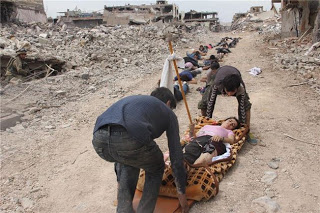


 US supplied F16 Jets helped wipe out Kurdish city Nusaybin and others in ”Nth Kurdistan”, Turkey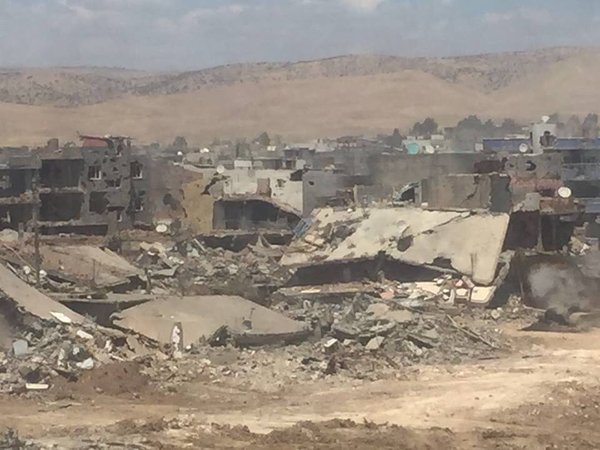

 Areas of large Kurdish population in red